
At a Glance
Age: 3-6 Years – batch 1 (Monday & Friday)
Class size: 8 children | Sessions: October to December | Duration: 1 hour
Price:- Rs 15,000 + Rs 2,000
Age: 6-10 Years – batch 2 (Saturday)
Class size: 8 children | Sessions: July to December | Duration: 1 hour
Price:- Rs 13,600+ Rs 2,000 One Time Production Cost
“Since the beginning of history, music has been the expression of the emotions of the people. Every child is a musician before they speak.” – Carl Orff
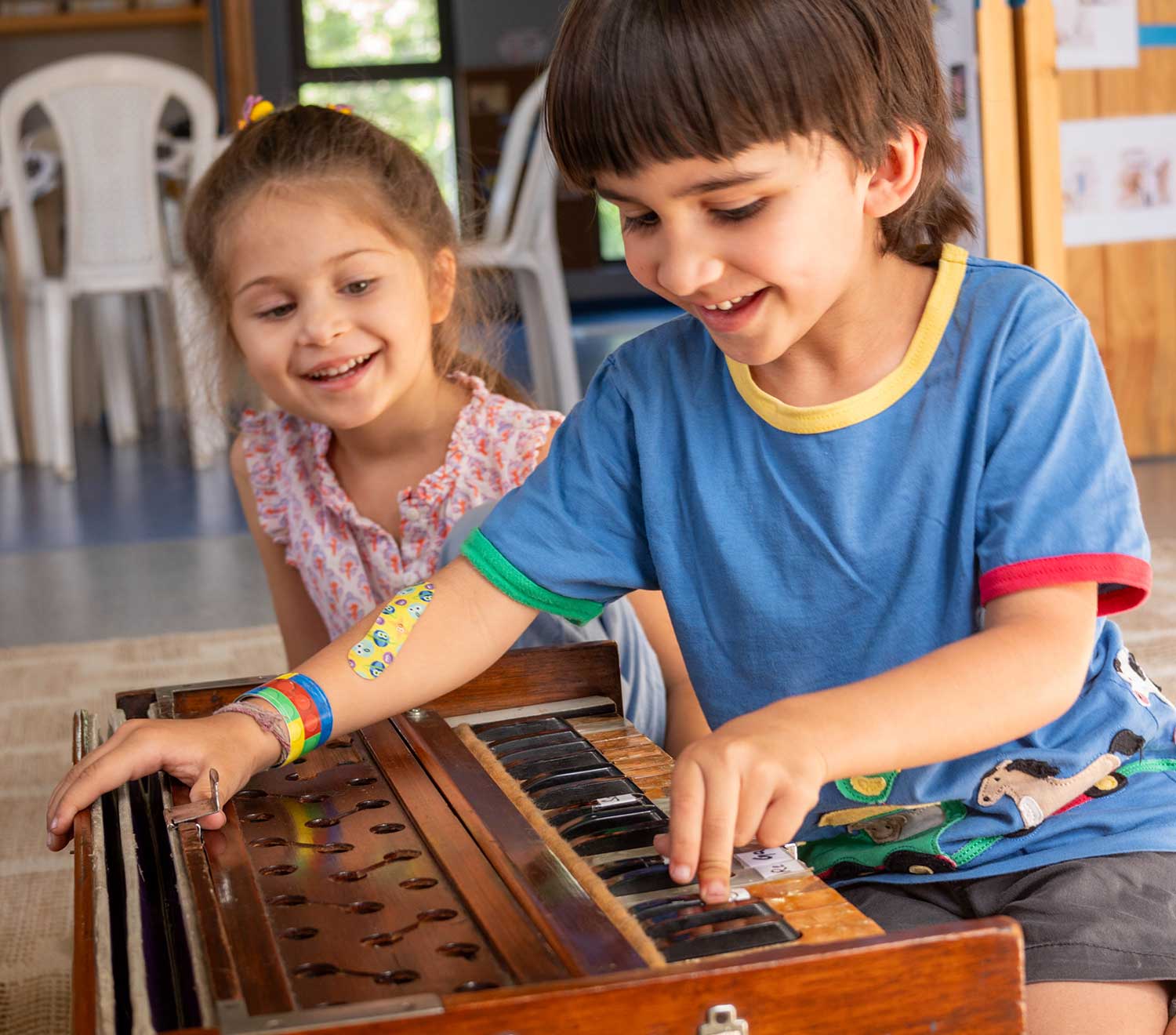
Hindustani Classical Music is the traditional art music of North India, known for its rich melodies, intricate rhythms, and deep emotional expression. It evolved from ancient Vedic chants and has been shaped by centuries of cultural exchange.
The Hindustani music is based on two main elements:
1. Raag (Melodic Framework)
Goal for young children: To develop melodic sensitivity and an emotional connection with sound.
Swar Recognition
Children are introduced to basic notes (Sa Re Ga…) through songs, hand signs, and visual aids (e.g., swars with colors or characters).
Raag-based Songs
Simple, child-friendly compositions are created using specific ragas like Bhoop, Kafi, or Khamaj. These ragas are chosen for their easy scale and pleasant mood.
Mood Association
Children are encouraged to express how a melody makes them feel — happy, calm, playful — to intuitively grasp the bhav (emotion) of a raag.
Storytelling with Raags
Short stories or puppet shows are woven with melodies based on specific ragas, helping children feel the mood and pattern of the notes.
2. Taal (Rhythmic Cycle)
Goal for young children: To develop inner pulse, coordination, and listening skills.
Clapping Patterns
Introduction to basic taals like Dadra (6 beats), Keherwa (8 beats), through simple clap-tap or body movement games.
Instrumental Exploration
Children use hand drums (like tabla or djembe), shakers, or even floor tapping to feel and play along with the taal cycles.
Action Songs with Rhythm
Songs that involve physical actions (jump, clap, stomp) are set to taal-based patterns, linking rhythm to movement.
Rhythm Circles
Group activities where children pass a beat or pattern around a circle — building coordination and rhythmic memory.
Highlights of our program
Learning Alankars and Note Patterns
Awareness of Ragas and Taals
Exploring Classical Instruments
Group and Solo Performances
Meet the Faculty

Ms.Neha Jain
Neha, is a trained Hindustani classical vocalist and an experienced early years educator, she has been teaching music for over five years. Her deep love for working with young children shines through in her classes, where she blends creativity, patience, and a nurturing presence to make music a joyful experience for them.
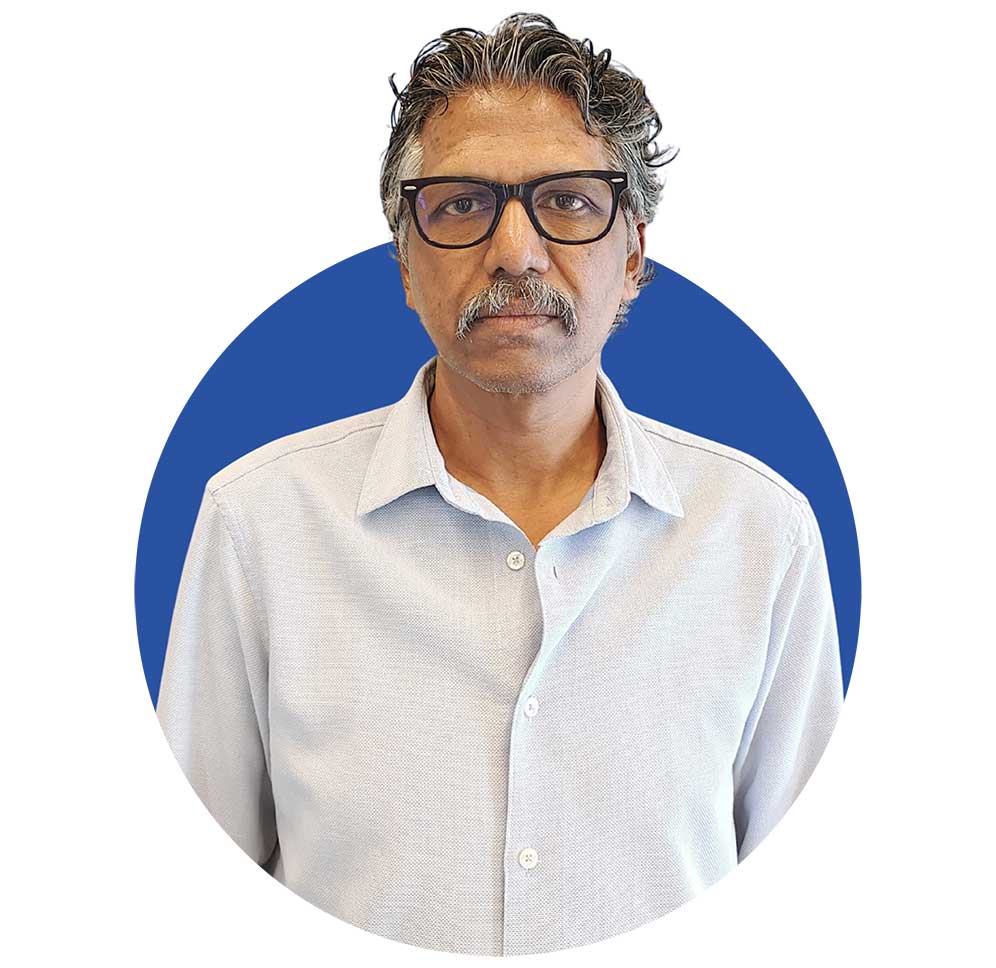
Mr.Manickdeep Masih
Born into a family of musicians, he began performing Sitar at the age of five and trained under Ustaad Shujaat Khan in the Gayaki Ang style. With a deep grounding in both Indian classical and Western music, he has performed across India and internationally, including for dignitaries and embassies. He has released music albums, conducted workshops, and currently teaches Indian and Western music at Manava Bharati India International School, New Delhi.