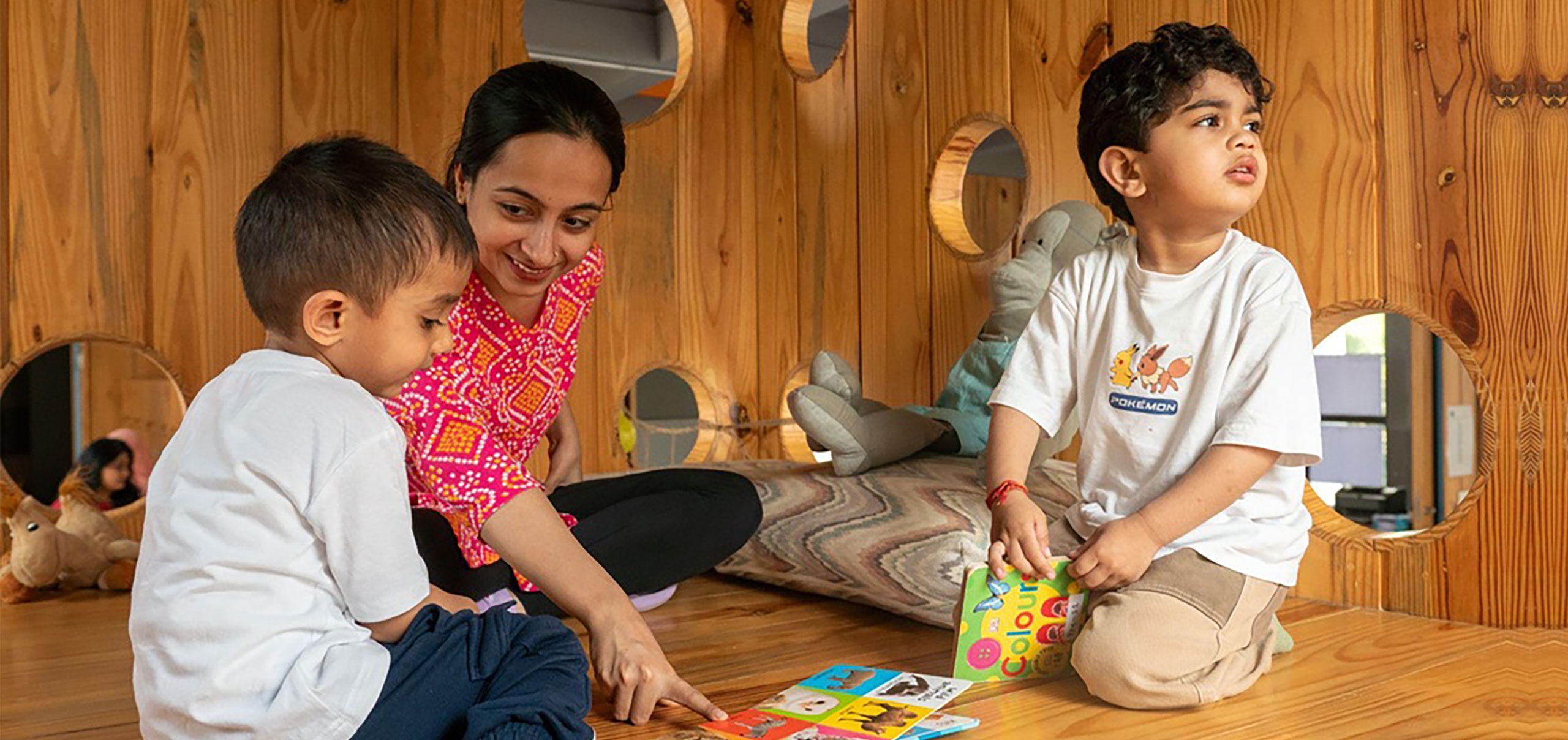
At Dreaming Child Preschool, one of our core strengths is the way we think through the questions we ask. Every story, every activity, and every moment in our day is not just about engaging children — it’s about guiding them to think more deeply. And we “Don’t just teach your children to read. Teach them to question what they read… Teach them to question everything.”
— George Carlin
Carlin reminds us that raising curious, thoughtful children doesn’t happen by chance. It begins with the kinds of questions we ask them. The quality of our questions shapes how children explore the world, how they think, and how they learn to guide their own curiosity.
Good questions don’t just prompt answers — they build independent, self-driven learners.
Questioning isn’t a one-time skill; it’s something children grow into. We can support that growth by being intentional about the types of questions we ask every day. One powerful tool that helps us do this is Bloom’s Taxonomy.
What Is Bloom’s Taxonomy?
Bloom’s Taxonomy is a simple framework that organizes thinking into different levels — from basic recall to deeper reasoning and creativity. Developed by Benjamin Bloom and later revised, its core idea remains the same:
Children learn best when we go beyond memorizing facts and encourage deeper, richer thinking.
Here are the levels, explained simply:
- Remembering
Questions that help children recall facts.
Who, what, where, when, why, which.
- Understanding
Questions that help children explain or summarise ideas in their own words and make sense of what happened. - Applying
Questions that encourage children to use what they know in new situations or contexts. - Analyzing
Questions that help children compare, contrast, break down ideas, and develop their own reasons or judgments. - Evaluating
Questions that ask children to decide, judge, give opinions, or justify a choice. - Creating
Questions that lead children to imagine, invent, design, or think of new possibilities.
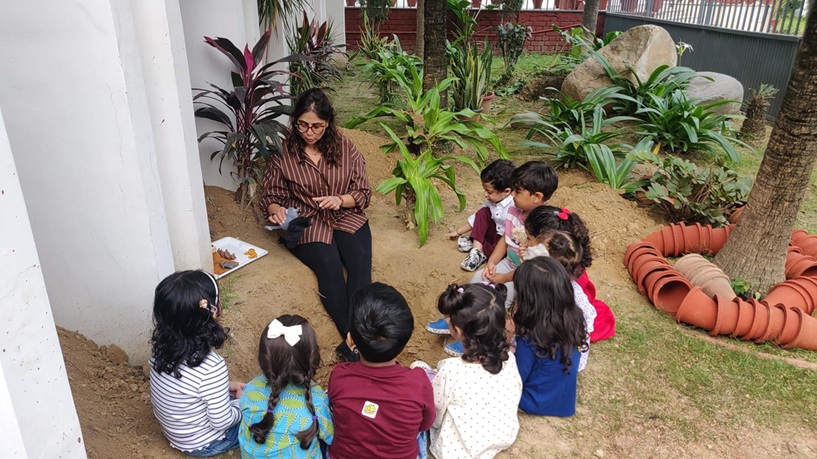
You don’t need to be a teacher to use this. Parents and caregivers can weave these question types into story time, play, mealtimes, and everyday routines. Over time, children not only answer deeper questions — they begin asking them.
Young children (under 3) naturally stay within remembering and understanding. As they grow, they become ready for applying, analyzing, evaluating, and finally creating. Higher-level thinking typically begins to develop around age 4 and beyond.
Example: Using Bloom’s Questions in “The Thirsty Crow”
Remembering
- Who was the story about? Where did the story take place?
Understanding
- What happened when the crow felt thirsty?
- How did the crow feel at the beginning and at the end of the story?
Applying
- Why do you think the crow was so thirsty?
Analyzing
- Have you heard any other stories with a crow? How was that story similar or different to this story?
- Which other animals that you know have beaks? (Can extend to observing birds, and how their beaks are similar or different)
Evaluating
- Was the crow smart?
- Why do you think so?
Creating
- If you were the crow, how would you solve the problem?
- Can you think of another solution?
Asking Questions Beyond Story Time
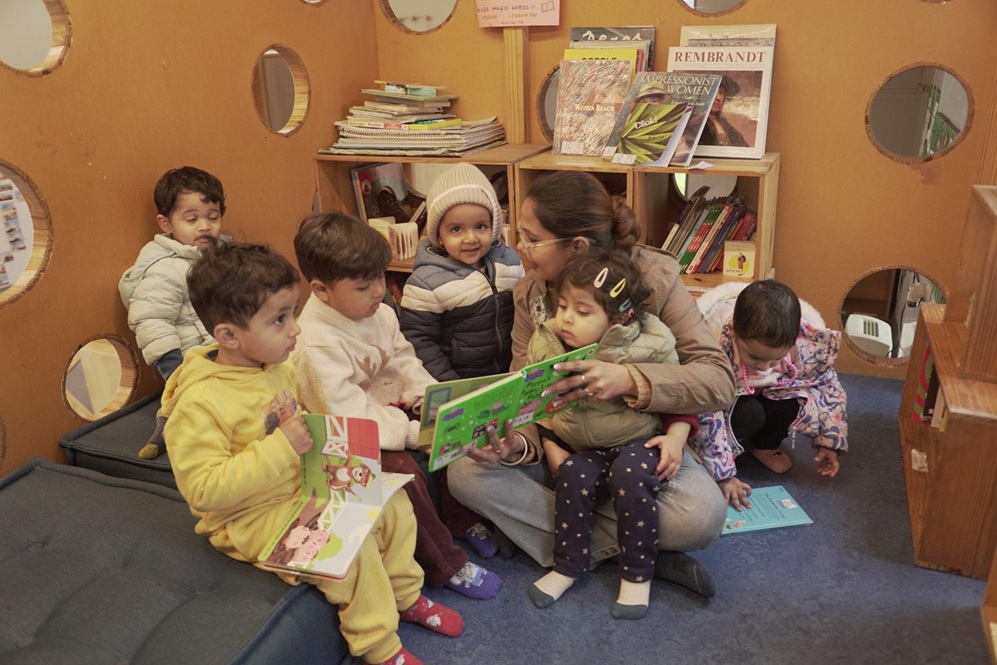
These questions aren’t only for books. You can use them throughout the day — during play, walks, meals, holidays, car rides, or after an activity. They also help you see how your child’s thinking is growing over time.
Tips for Parents and Educators (Inspired by Bloom’s)
- Create a question bank
Write simple question starters for each level and use them during stories or play. - Use index cards
As NAEYC suggests, color-code question cards by level and keep them in play or learning areas. - Reflect together
After an activity, ask:
“What worked?” or “If you could redo this, what would you change?”
These encourage evaluating and creating. - Document progress
Keep a small journal or portfolio with your child’s responses. Over time, you’ll see their thinking become richer, deeper, and more confident.
Articles for Further Reading
- NAEYC – Using Bloom’s Taxonomy in Questioning
https://www.naeyc.org/resources/pubs/tyc/oct2015/using-blooms-taxonomy-questioning - Bloom’s Taxonomy: A Guide to Support Family Learning
http://www.thomasmuir.e-dunbarton.sch.uk/media/9758/blooms-taxonomy-a-guide-to-support-family-learning.pdf
“I hope this blog helps you ask better questions — and in doing so, raise stronger, more thoughtful thinkers.”
Written by
Mahima Kaur
Director, Dreaming Child